Small, Cheap, and Quietly Competent: Running a Vauxhall Viva in 2026
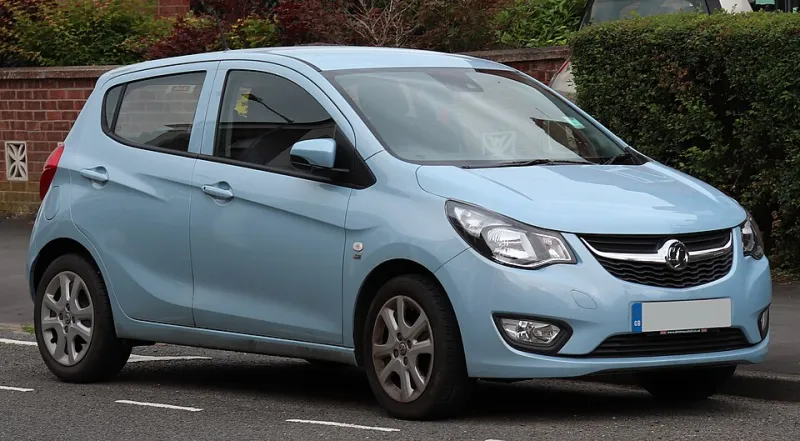
Photo: Vauxford, CC BY-SA 4.0, via Wikimedia Commons
The Vauxhall Viva is one of those cars that quietly slipped out of the conversation. It arrived in 2015 as a sensible city car, hung around until 2019, and then largely vanished from enthusiast radar. That is a shame, because as a cheap UK runabout in 2026 it still makes a lot of sense — provided you understand what you are buying and where the parts come from.
This is not a car for someone chasing feel or charisma. It is a car for someone who wants a small petrol hatchback with simple mechanicals, low running costs and a decent chance of being fixable on a driveway. The trick is not to pay Corsa money for one, and not to assume that every Vauxhall parts desk will still have a Viva-specific trim clip on the shelf.
What You Are Actually Buying
The Viva was Vauxhall’s city-car answer to the likes of the Hyundai i10 and Skoda Citigo. It was based on the Opel Karl, and underneath the slightly upright bodywork it shares plenty of GM city-car thinking with the Corsa E era. You will recognise the general layout, the bolt-on suspension components and the sort of electrical connectors that turn up across the range.
That matters because it gives you options. A Viva is not a rare Italian exotic with a bespoke supplier chain. It is a mass-produced GM product, and many consumables cross-reference to related models. The flip side is that Viva-specific panels, lights and interior bits are now firmly in the used-and-breakers market. If you need a front wing or a tail-light, you will be phoning around rather than popping into a main dealer and expecting same-day stock.
Inside, the Viva is honest rather than plush. Check that the infotainment works, that the window switches behave and that the rear seats have not been abused by years of school runs. City cars live hard lives, and a tidy body can hide a tired cabin.
The Engine Question: 1.0 Triple and 1.4 Four
The Viva you will see most often in the UK is the 1.0-litre three-cylinder. It is not a silky engine. It has that characteristic triple-cylinder thrum, and at idle it can feel a little busy. That is normal, but excessive shaking is not. Worn engine mounts can make a Viva feel much older than it is, and they are not expensive once you find the right part number.
Listen carefully from cold. A healthy 1.0 should start quickly and settle into a steady idle. A rattle from the timing chain area, a flashing engine light or a misfire should send you looking elsewhere. These engines reward regular oil changes, and a car with a patchy service history is a risk you do not need to take when good examples are still around.
The 1.4-litre four-cylinder that appears in related GM city-car and supermini models is generally less stressed, but the same rules apply: clean oil, a healthy cooling system and no ignored warning lights. Do not assume every 1.4 part is Viva-specific. Cross-reference before you buy, especially for sensors, thermostats and ignition components. A quick check against Opel Karl and Chevrolet Spark listings can save real money.
Servicing and MOT Checks
The Viva is a simple car to service, and that is part of its appeal. Oil and filter, air filter, spark plugs, brake fluid and coolant are all straightforward. Use a decent oil and change it more often than the bare minimum if the car does a lot of short urban trips. Stop-start traffic and cold mornings are not kind to small engines.
At MOT time, look beyond the obvious. Low-mileage city cars often suffer from seized rear brakes, perished suspension bushes and corroded brake pipes. Check the rear springs carefully, look at the condition of the brake discs and make sure the handbrake works evenly. Tyres are another giveaway: uneven wear can point to alignment issues or worn suspension, and budget tyres on a small hatchback often hide a car that has been run on a shoestring.
Also check the basics that owners ignore. Do the wipers park correctly? Are the washer jets clear? Do all the lights work, including the number-plate lamps? These are small jobs, but they tell you whether the car has been looked after or simply driven until something broke.
Parts Sourcing Without the Badge Tax
The Viva is at the stage where genuine Vauxhall parts are still available for many mechanical items, but you need to be selective. Consumables such as filters, brake pads, discs and belts are easy enough through motor factors. For trim, lights, body panels and interior switches, breakers are your friend. Search by registration and by part number, and do not be afraid to cross-reference Opel Karl listings.
Be careful with cheap aftermarket sensors and ignition parts. A bargain coil pack or crankshaft sensor can create more problems than it solves. For engine-management bits, either use a known brand or a genuine used part from a reputable breaker. And before you pay Vauxhall main-dealer prices for something simple, check whether the same part is listed for a Corsa E or Adam. The answer is often yes.
Values and the False Economy
In 2026, a Viva should be cheap. Very cheap. That is the point. You are buying a simple, low-cost urban car, not a future classic. Do not pay a premium for low mileage alone, because a car that has sat unused can have just as many problems as a high-mileage one. A full MOT history, a stack of receipts and a recent service are worth more than a shiny bonnet.
The false economy is buying the cheapest Viva you can find and then discovering it needs a clutch, tyres, brakes and a suspension refresh. Add those up and you could have bought a much better example. Budget for a thorough check, set aside a few hundred pounds for immediate fettling, and walk away from anything with a coolant leak, a rattling chain or a seller who cannot explain the warning light on the dash.
The Verdict
The Vauxhall Viva is not a car to get misty-eyed about, but it is a useful little thing. It is easy to park, cheap to insure and simple enough to work on. In 2026, the best ones are still out there for sensible money, and the parts network is good enough if you are willing to cross-reference and phone a few breakers. Buy carefully, service it properly and it will do exactly what a city car should: keep going without drama.