The Seller-Proof MOT Check: Reading a Used Vauxhall’s Paper Trail Like a Technician
Most used Vauxhall adverts in 2026 lead with shiny paint and a fresh MOT. That is nice, but the MOT record is the closest thing to an independent witness you can get before handing over cash. The DVSA history check is free, it follows the registration rather than the seller, and it keeps old advisories even after a clean pass. Use it before you view the car, not after you have fallen for a tidy Astra J on a wet forecourt.
Start with the mileage trail, not the pass count
A long list of passes is not automatically good news. Look at the mileage recorded at each test. A Corsa D that gains 2,000 miles a year and then jumps 18,000 between tests deserves a question. A high-mileage Insignia that climbs steadily is often a better bet than a low-mileage car with irregular gaps. Gaps can mean a car was off the road for repairs, stored, or clocked. None of those are impossible to explain, but the seller should have a story that matches the paperwork.
Check the date of the first MOT and the mileage then. If the car was used sparingly and then suddenly did big miles, fine, but look for worn pedals and a tired driver’s seat that contradict the odometer. The MOT record is not a mileage guarantee, but it is a useful lie detector.
Learn the difference between an advisory and a warning
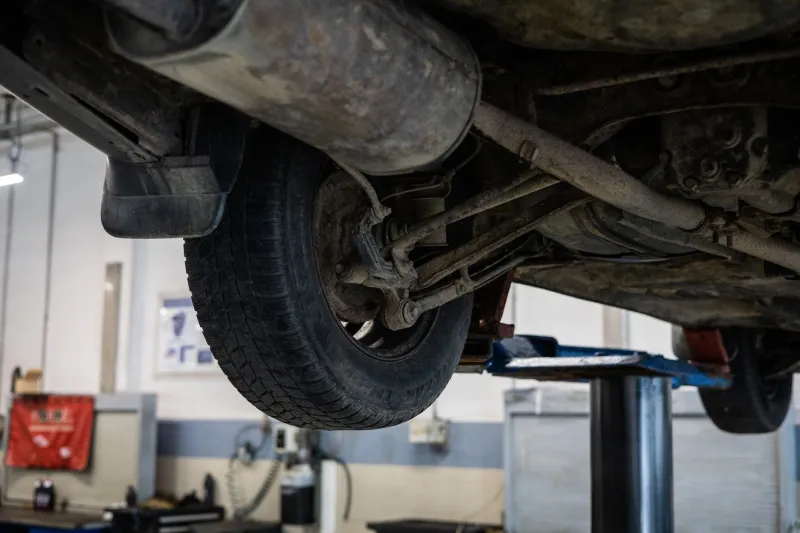
MOT testers use careful language. 'Monitor and repair if necessary' is not the same as 'repair immediately'. 'Slight play' in a suspension joint is a note to keep an eye on; 'excessive play' is a fail. 'Corrosion within a prescribed area' is structural language and should make you look hard at sills, chassis legs, subframes and suspension mounting points. 'Corroded but not excessively' on a brake pipe is still a job, especially on a car that has worn the same advisory for three years.
Emissions advisories are their own chapter. A diesel that scrapes through with a lambda or smoke reading near the limit may need a DPF, EGR or injector repair soon. On a 1.6 CDTi Mokka X or 2.0 CDTi Insignia, repeated emissions fails plus a suspiciously fresh pass can mean the seller has had a friendly clear-out rather than a proper fix. Ask for invoices.
Model patterns worth knowing
Corsa D and early Corsa E cars often show suspension advisories, worn rear springs, brake pipe corrosion and the usual tyre and bulb notes. These are not automatically scary, but a Corsa with structural corrosion on both rear sills is a different proposition from one with a noisy exhaust.
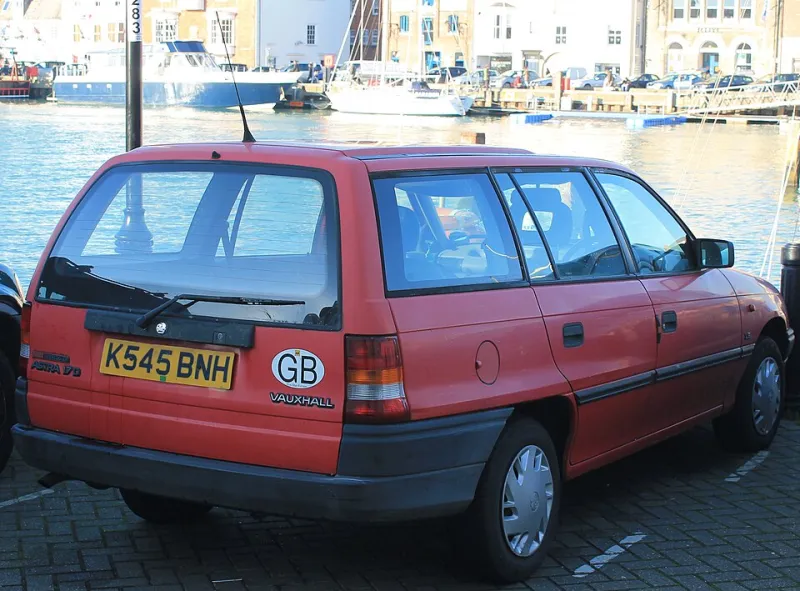
Astra H and Astra J models are prone to rear brake pipe corrosion, suspension wear and oil leaks. The 1.8 Astra H can leave a trail that looks worse on the driveway than it does on the MOT, but repeated oil leak advisories plus a damp undertray tell you the owner has been topping up rather than repairing.
Insignia diesels commonly collect advisories for suspension, tyres and brake corrosion, and the emissions side matters. A high-mileage 2.0 CDTi with steady motorway miles can be a sound buy; one with repeated smoke-test failures and a patchy service record is a gamble.
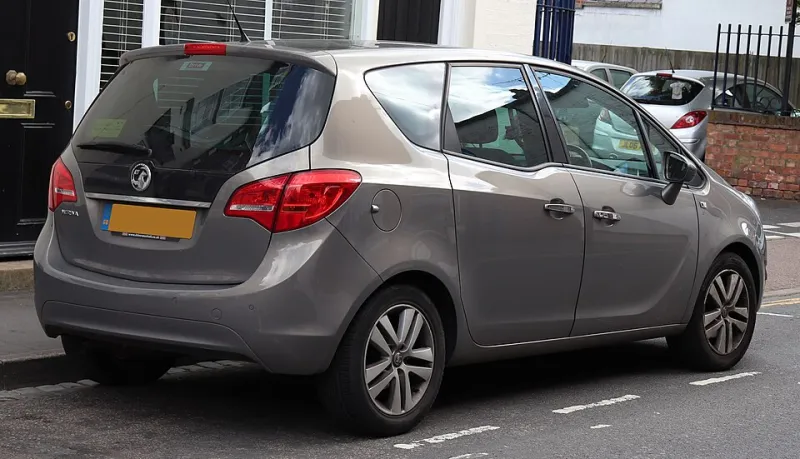
Meriva models often show rear suspension and corrosion notes, plus the usual wear items. Check the rear doors and latch operation separately, because MOT history will not tell you about a stubborn child lock or a tired latch. Mokka and Mokka X cars can show emission-related notes on the diesel, along with brake disc corrosion on low-mileage examples that sit around. Low mileage is not always kind to brakes.
Advisories that are negotiating chips
Bulbs, wiper blades, number plate lamps, a blowing exhaust joint, worn tyres, scored discs, a slightly weepy shock absorber and minor bush wear are all ordinary. They are reasons to trim the price, not walk away. Use them as a budget: price a pair of tyres, a set of discs and pads, or a suspension arm before you make an offer. Do not let a seller dismiss a list of small advisories as 'nothing' while asking strong money.
When to walk
Walk if the record shows corrosion in prescribed areas repeated across years, especially around sills, floors, chassis legs, subframes or suspension mounts. Walk if brake pipes are repeatedly flagged and the seller has no receipts. Walk if a car fails on a dangerous defect and then passes the next day with no explanation. Walk if the mileage jumps backwards, or if a fresh MOT has wiped a long history of structural advisories without welding invoices.
Also be wary of a car that has just been tested by the seller. A new pass is not proof of a good car; the DVSA record keeps the old failures and advisories. A clean sheet after years of corrosion notes is possible, but it needs evidence.
Use the record as a viewing map
Print or save the history and take it with you. Check the areas the tester mentioned. Look at the brake pipes, the sills, the rear springs and the tyres. Compare the advisory dates with service receipts. Ask what was done and when. A seller who can explain the history is worth listening to; one who gets defensive about a free public record is telling you something.
The MOT is a minimum standard, not a service history. On a used Vauxhall or Chevrolet in 2026, it is still the best cheap head start you have. Read it before the seller starts the engine, and you will ask better questions.