Frontera, Honestly: Cheap 4x4 Ownership Without the Waxoyl Fantasy
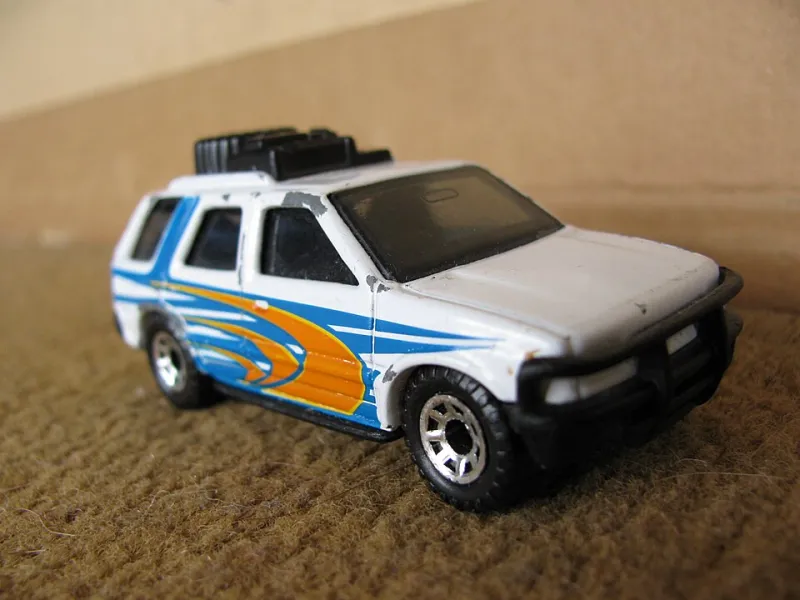
Photo: Riley from Christchurch, New Zealand, CC BY 2.0, via Wikimedia Commons
The Vauxhall Frontera occupies an awkward spot in the UK car market. It is old enough to be cheap, useful enough to justify, and unloved enough that many examples have already been scrapped for rust. That is the honest starting point. If you want a shiny investment, buy something else. If you want a crude, capable old 4x4 for tip runs, muddy fields and winter errands, a Frontera can still make sense in 2026.
It was built in partnership with Isuzu, sold across Europe as the Opel Frontera and known in other markets under Isuzu badges. That is the key to owning one: the Vauxhall badge is not the whole story. The parts network is wider than it looks if you know where to cross-reference.
What a Frontera is in 2026
Most UK cars are the five-door Sport or the shorter three-door. You will see 2.0 and 2.2 petrol models and the 2.8 TDI diesel. The petrols are smoother and cheaper to buy, but they are thirsty and not especially powerful. The 2.8 TDI is the old-school Isuzu lump: noisy, agricultural and happier with a load behind it than a stop-start commute.
None of them feel modern on a 2026 road. The steering is slow, the gearshift is vague and the ride is bouncy. That is part of the deal. A Frontera is a utility vehicle, not a crossover. Buy it for what it is and you will get on fine.
Petrol or diesel: pick your poison
The 2.0 and 2.2 petrol engines are simple enough, but check for overheating history, head gasket trouble and neglected cooling systems. A cheap Frontera that has been run low on coolant is a gamble. The 2.8 TDI is tougher in the traditional sense, but it is not immune to neglect. Listen for timing chain noise, check for blue smoke and make sure the injection pump has not been fiddled with by someone chasing more power.
Diesel tax and ULEZ rules matter in 2026. Many Fronteras will not be London-compliant, and other clean air zones are worth checking before you buy. A petrol model may suit low-mileage weekend use better. A diesel only makes sense if you are doing enough miles to justify the clatter.
Chassis rust is the whole ballgame
This is not a bodywork issue. It is a structural issue. Frontera chassis rails, outriggers, body mounts and rear spring hangers rust from the inside out. Fresh underseal is not proof of a solid chassis; it is often proof that someone is hiding something. Bring a screwdriver and a magnet. Tap along the chassis rails and be suspicious of soft spots.
Check the floorpan, sills and inner wings too. Water gets into these old 4x4s through tired seals and blocked drains. A damp carpet is not just a comfort problem; it is a rust incubator. If the chassis is rotten, walk away. There are still solid ones out there, but they are worth paying for.
Suspension, steering and the tired 4x4 feel
Old Fronteras wear suspension components at a rate that reflects their age and use. Ball joints, track rod ends, idler arms, bushes and shock absorbers are all common. A vague steering feel may not be character; it may be a worn idler or a tired steering box. Check the rear leaf springs on leaf-sprung models for cracked leaves and worn shackles.
Do not expect a magic carpet ride. A fresh set of dampers and bushes can transform one, but it will still feel old. That is fine. The goal is safe and predictable, not plush.
Modern fuel and old engines
The petrol models were designed before E10 became the standard UK unleaded. Many will run on it, but if the car sits for weeks at a time, use E5 super unleaded where you can and keep an eye on fuel lines and filters. The diesel is happiest with clean fuel and regular filter changes. Old fuel systems do not appreciate water or dirt.
Give any old 4x4 a proper service after purchase: engine oil, filters, coolant, brake fluid and driveline oils. Check the transfer case and differentials if it is a four-wheel-drive model. These are often neglected because owners only think about the engine.
Part numbers and Isuzu cousins
The Frontera parts scene is where patience pays. Vauxhall main dealers are unlikely to stock much, but the Isuzu connection opens doors. Cross-reference Vauxhall, Opel and Isuzu part numbers before buying. Brake components, suspension parts and engine service items often have equivalents under other badges.
Join owner groups and look for the people who actually post part numbers rather than just photos of their trucks. A used part from a breaker is fine for trim and brackets, but be careful with safety-critical items. Cheap brake discs and ball joints are false economy. Buy known brands where it matters.
MOT realities
Corrosion is the big one. Testers will look at chassis rails, suspension mounts, brake pipes and seatbelt anchorages. Emissions can be an issue on tired petrols, and diesel smoke tests catch neglected 2.8s. Check the handbrake, lights and wipers like you would on any old car, but spend most of your inspection time underneath.
A Frontera with a fresh MOT is not automatically a good buy. It may have been welded just enough to pass. Ask to see photos of any welding, or at least look at the quality of the patches. Birds nest welding on a chassis rail is a warning sign.
The verdict
A Frontera is honest cheap 4x4 ownership, provided you are honest about what you are buying. It will be thirsty, crude and rusty in places. It will also do the jobs a modern crossover would refuse, and it will cost a fraction of the price. Buy the most solid chassis you can find, budget for suspension and rust prevention, and do not pretend it is a classic. Treat it as a tool and it will earn its keep.