Captiva or Antara? The £2,500 GM SUV Question UK Buyers Still Face in 2026
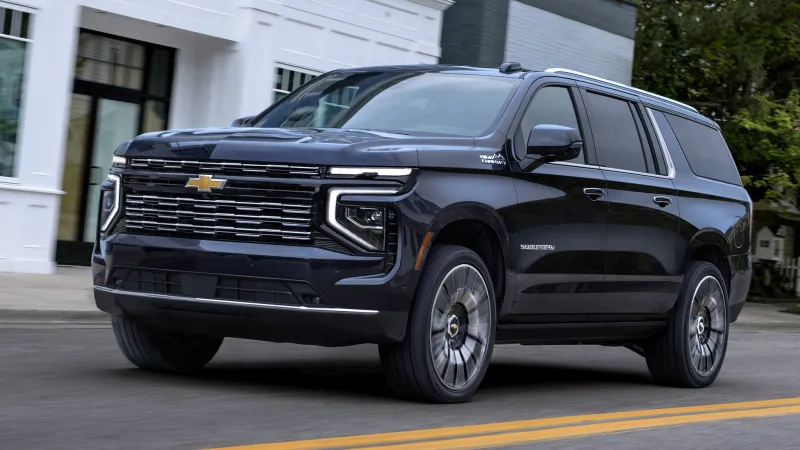
Photo: Chevrolet Captiva Vauxhall Antara SUV UK driveway, via www.motortrend.com
The £2,500 family SUV question
At £2,500, most family SUVs are either tiny, tired or pretending to be something they are not. The Chevrolet Captiva and Vauxhall Antara are different. They are proper mid-size GM machines with five or seven seats, rugged-ish styling and a parts bin that overlaps more than most buyers realise. In 2026 they are also firmly in banger territory, which is exactly why they deserve a cool-headed look.
1. They are cousins, not strangers
The Antara and Captiva share the Theta platform and plenty of mechanical DNA. That means suspension arms, brakes, some driveline parts and plenty of service items can be cross-referenced. It does not mean every panel or electrical plug is identical. Treat the part number as the starting point, not the finish line.
This is where a UK GM specialist earns their keep. A Vauxhall dealer may still help with an Antara query, while Chevrolet support is thinner. A good independent can match components from both sides of the family and save you from paying for the wrong box.
2. Petrol or diesel? The £2,500 answer
The 2.4 petrol is the simpler choice for low-mileage family duty. It is thirstier, especially around town, but it avoids the diesel emissions hardware that causes so much grief on older cars. The 2.0 diesel makes more sense for towing, motorway work and heavy loads, but only if the car has been used properly. A diesel that has spent its life doing short school runs is a DPF and EGR gamble.
In 2026, clean air zones and ULEZ rules make the diesel question sharper. Check the exact car’s compliance before you buy, and do not assume a later badge automatically means a clean ticket. Petrol examples are usually easier to live with in town.
3. Common faults to check
Both models have known weak spots. Look for:
- Diesel DPF and EGR problems, especially on low-mileage urban cars.
- ABS sensors and electrical gremlins, often cheap to fix but annoying to diagnose.
- Rear differential noise on four-wheel-drive cars.
- Suspension wear, knocks and tired bushes on high-mileage examples.
- Water leaks and damp carpets, which can upset electrics.
- Petrol timing chain rattle on neglected 2.4 engines.
A test drive should include a cold start, a full lock turn and a stretch of rough road. If the dashboard looks like a Christmas tree, walk away. These cars are cheap enough that a second example is always waiting.
4. Servicing and parts costs
Neither car is expensive to service at independent rates. Filters, brakes, fluids and tyres are sensible. The danger is deferred maintenance. A £2,500 Captiva with no evidence of gearbox oil, coolant or diesel filter changes can swallow its purchase price in repairs.
Parts availability is the real divide. Antara badges can make some Vauxhall-specific trim easier to find, but the Captiva sold in bigger numbers and has a strong breaker network. For mechanical bits, the shared GM DNA helps both. For electronics and body panels, condition and donor availability matter more than the badge on the grille.
5. Which one is easier to keep on the road?
Our verdict: buy on condition first, then let the engine choice decide. For a low-mileage family bus, a petrol Antara is the calmer ownership proposition. For seven seats, towing or regular motorway runs, a well-documented diesel Captiva makes a case, provided you understand the emissions risks.
The Antara feels slightly easier to place in the UK Vauxhall ecosystem, but the Captiva’s greater presence means more used parts. Neither is an investment. Both can be honest transport if you buy carefully, service them properly and resist the cheapest example on Marketplace.
At £2,500, the right Captiva or Antara is still a lot of GM SUV for the money. The wrong one is a lesson in false economy. Thompson GM’s advice is boring but correct: inspect, verify the part numbers and budget for repairs before you hand over the cash.