Scrap or Save: Five GM Motors Worth Dragging Out of a British Yard in 2026
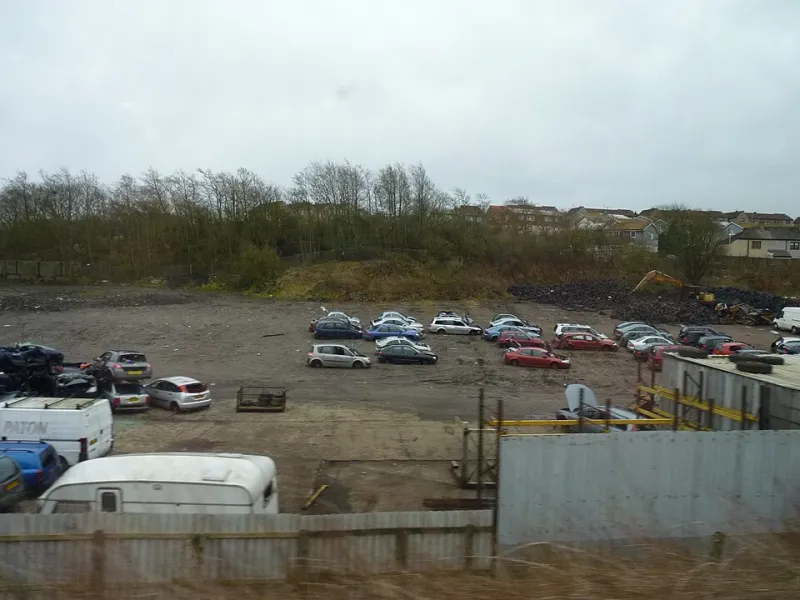
Photo: James Allan , CC BY-SA 2.0, via Wikimedia Commons
I spend too much of my free time walking round scrapyards, and after a while you develop a rule of thumb. A car is worth rescuing if three things are true: the parts to fix it are still on a shelf, somebody will actually want to buy it in five years, and the shell underneath isn't quietly turning back into iron oxide.
Miss any one of those and you're not saving a car, you're buying yourself a hobby you didn't ask for. Here's how the arithmetic works out on the GM stuff that still turns up in British breakers in 2026.
Worth the jump leads
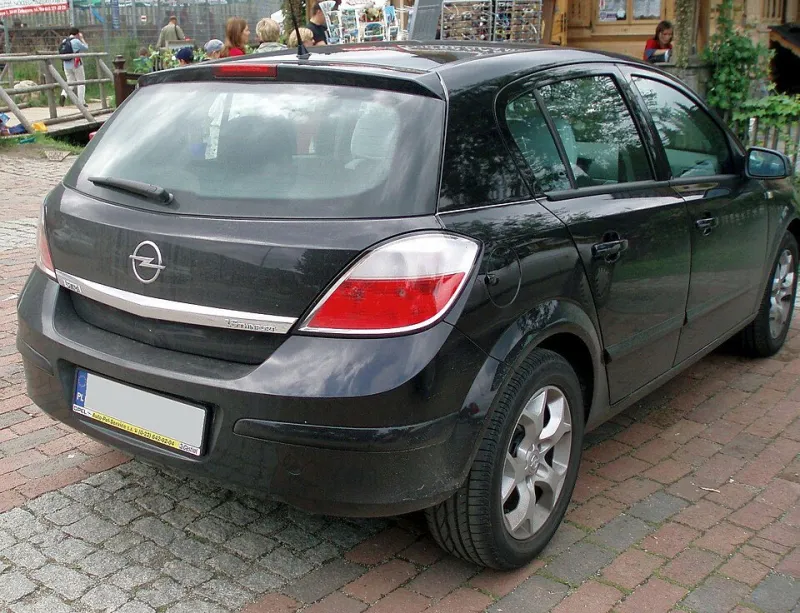
1. Astra H VXR (Z20LEH)
The 2.0 turbo VXR is the one people will regret letting go. It's got 240-odd brake, a proper limited-slip diff on the later cars, and a three-door body that looks sharper now than it did in 2007. The M32 gearbox has a reputation for eating third and fourth, but rebuilds and exchange units are widely available and a lot of cars were done under a Vauxhall campaign years ago.
Critically, almost everything that isn't VXR-specific is standard Astra H, which means the breakers are full of donors. Brakes, suspension, cooling, trim — all cheap. Engines and gearboxes are the bits you buy carefully. Values have been creeping up for three years now and a sound shell is worth having.
2. Saab 9-3 Aero (B207R, 2003–2010)
A GM car wearing a Swedish badge, built on the Epsilon platform, powered by an Ecotec. That's the whole reason it's still viable: the 2.0 turbo is shared with Vauxhalls, so sensors, coils, gaskets and consumables are still on the shelf at any factor.
Two things will bite you. The B207 timing chain is a known weak point and it's not a cheap job, so listen carefully from cold and factor it in. Coil packs and the DI cassette equivalent on later cars are another regular failure. But the Aero is fast, comfortable, and the last of its breed — and a scrapyard 9-3 Aero estate with a blown chain is often the cheapest route into one.
3. Astra G Bertone Coupe
These are quietly disappearing. The three-door Bertone body rots in the rear arches and around the tailgate, and the 1.8 and 2.2 engines are the same Family II units you'll find in a hundred thousand other Vauxhalls. That's the point: mechanical parts are pennies, body panels aren't.
If you find one with decent arches and a tired engine, that's a save. If you find one with lovely paint and no floors, it isn't. Check the back end before you get romantic about it.
4. Corsa C 1.8 SRi
Rare in the way that matters — nobody made a fuss about it at the time, so almost nobody kept one. It runs the Z18XE, which means the same gaskets, seals and breather parts as every other 1.8 in the Vauxhall range, and the Corsa C shell is still well supported by the aftermarket.
It's 125bhp in a car that weighs about as much as a shopping trolley. Rust in the rear arches and around the fuel filler is the killer, so inspect before you commit. Beyond that it's a cheap, weird, genuinely enjoyable little thing that will only get rarer.
5. Vectra C 2.8 V6
The last of the big-engine rep mobiles. The 2.8 turbo V6 is shared with the Signum and the later Insignia, so there's still a parts network behind it — but this is a conditional save. The camchain arrangement on the V6 is not a Sunday morning job, the turbochargers are expensive, and the cars drink fuel like it's 2004 again.
What makes it worth it is that Vectra Cs are effectively worthless right now, and a good VXR or Elite estate is a genuinely interesting thing to own for almost no money. Buy one with a healthy engine. Don't buy one hoping to fix a sick one.
Leave these where they lie
Cadillac BLS
The BLS was a Saab 9-3 in a frock, and that's precisely the problem. The mechanical bits cross-reference fine, but the body panels, lights, trim and interior parts are BLS-only and effectively unobtainable in the UK. A minor front-end knock writes the car off. There's no enthusiast market to support the values and no parts supply to support the repair. Admire it, photograph it, walk on.
Vauxhall Frontera B
Twenty-five years of British weather has not been kind. Sills, arches, chassis rails and the rear body mounts all rot, and the surviving parts supply is patchy at best. The 2.2 petrol and the diesel are both fine engines in isolation, which is the trap — a good engine in a dissolving shell is a money pit with a nice soundtrack.
Chevrolet Lacetti
When Daewoo became Chevrolet and then quietly left Britain, the Lacetti's parts pipeline went with it. Trim, body panels and switchgear are already difficult, and the cars have no residual value to justify the effort. It did sterling service on a certain motoring television programme, and that's a perfectly good legacy. It doesn't need to be your project.
The rule that ties it together
Rust is the deciding vote. Almost every engine, gearbox and electrical fault on a GM product can be solved with parts that already exist in a yard three units over. A rotten shell cannot. So before you get attached to anything with a Vauxhall, Opel, Saab or Chevrolet badge on it, get underneath, take a screwdriver, and be honest about what you find.
Save the solid ones. There are fewer of them every year.