Signum Logic: Running Vauxhall’s Executive Oddball on Vectra C Money in 2026
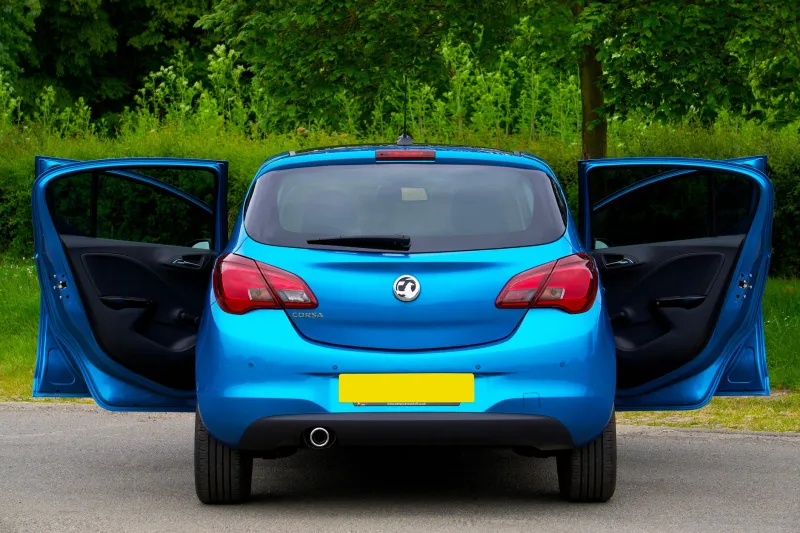
The Vauxhall Signum is one of those cars that makes sense for about thirty seconds and then makes you smile for a different reason entirely. It arrived in 2003 as a long-wheelbase, five-door hatch based on the Vectra C, pitched at people who wanted rear-seat luxury without paying German badges. It lasted until 2008, sold in modest numbers, and has spent the years since being quietly misunderstood. In 2026, that is exactly why it is interesting.
You are not buying a forgotten super-saloon. You are buying a Vectra C with a party trick, a longer cabin, and a rear-seat mechanism that can either charm you or send you hunting for a breaker’s yard. The good news is that most of what keeps a Signum moving is ordinary Vauxhall hardware. The bad news is that the bits which make it a Signum are the bits you cannot casually borrow from a Vectra.
What the Signum actually is
Think of it as Vauxhall’s answer to a question nobody in Britain had asked: what if an executive car were a hatchback, but not quite an estate, and the rear passengers got airline-style sliding chairs? The Signum’s FlexSpace rear seating is the whole point. The rear chairs slide and recline, and the whole arrangement can be folded and shuffled to prioritise people or luggage. It feels clever in a way that modern crossover interiors rarely do.
Underneath, it is Vectra C through and through. Engines, gearboxes, front suspension, brakes, steering, and a good chunk of the electrical architecture are shared. That is your financial escape route. It also means the Signum drives like a slightly heavier, slightly more relaxed Vectra, which is no bad thing on a British A-road.
Buying one in 2026: start with the bones
Signum survivors are thin on the ground, so condition beats specification every time. A fully loaded Elite with tired rear seats is a worse buy than a plain car with a clean underside and working hardware.
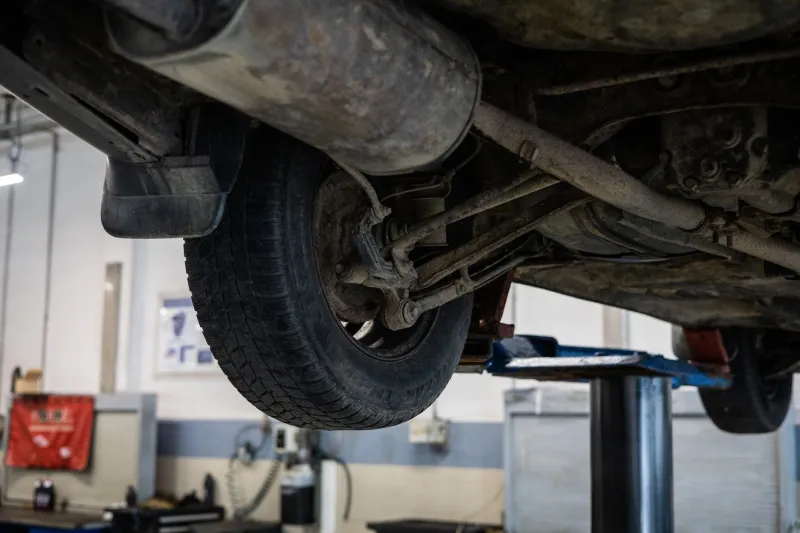
Check the usual Vectra C weak spots first. Look at the rear arches, sills, jacking points, and the area around the fuel filler. Brake lines and fuel lines can look grim on cars that have spent winters near the coast. The front subframe and rear suspension mounts deserve a proper look on a ramp. Scuttle drains block, water gets into the cabin, and then the electrics start doing odd things. If the carpets are damp, walk away or budget for the cause, not just the smell.
Then move to Signum-specific checks. Open and close the tailgate several times. Tailgate struts weaken, and a heavy hatch that will not stay up is a small but irritating ownership tax. Check the rear doors open and close cleanly, because the rear cabin trim and door cards are not the same as a Vectra’s. If the car has a sunroof, make sure the drains are clear and the headlining is not stained.
The rear seats: charm first, then check everything
This is the part that sells the Signum, so do not skip it. Sit in the back and operate both rear seats through their full range. Slide them forward and back. Recline them. Fold them. Listen for crunching, clicking, or a handle that feels like it is about to snap. The mechanism is robust enough when looked after, but plastic release handles, cables, and latches age badly. A seat that will not latch is an MOT annoyance and a safety issue.
Look under the seats for missing clips, bent rails, and previous repairs. A snapped trim piece is annoying; a bent rail is a proper job. Signum-specific rear seat parts are breakers’ yard territory, so check the seats before you fall for the car. If both sides work smoothly, treat the mechanism to a clean and a light lubrication of the moving parts. Do not spray grease indiscriminately over plastic and upholstery.
Vectra C parts that cross-reference cleanly
This is where Signum ownership becomes sensible. Service items, brakes, suspension arms, drop links, bushes, wheel bearings, alternators, starters, and many engine sensors are shared with the Vectra C. The 1.8 and 2.2 petrols, the 2.0 turbo, and the 1.9 CDTi are familiar Vauxhall units. The 2.8 V6 is thirstier and more complex, but it is not exotic in the way a specialist import would be.
Use the GM part number on the component, not just the Vauxhall part number on the box. Cross-reference the eight-digit GM number against Vectra C listings, and compare photographs before ordering. Some parts have superseded numbers, and some sellers list Vectra parts as Signum-compatible when only the engine-side item matches. For consumables, this approach saves real money. For body panels, rear trim, and the FlexSpace hardware, assume you are buying Signum-only and price accordingly.
The 1.9 CDTi deserves a mention. It is a decent cruiser when healthy, but swirl flaps, EGR valves, and DPF problems are well documented. Short-hop use will punish it. If most of your driving is urban and low-speed, the petrol cars are often the less painful choice in 2026, even if the diesel looks tempting on paper.
Electrical faults to expect
Vectra C electrics are not frightening, but they are not young either. Water in the scuttle area can affect the body control module and cause central locking gremlins. The column integration module can throw up power steering and indicator faults. Rear hatch wiring looms flex with every opening and can break inside the rubber boot, killing the rear wiper, number-plate lights, or central locking on the tailgate.
Test every switch you can find: windows, mirrors, heated seats, rear wiper, boot release, and the radio. Do not dismiss a warning light as “just a sensor” unless you have a code reader. A cheap OBD dongle will not tell you everything, but it will stop you buying blind. If the dash looks like a Christmas tree, price the diagnosis before the car.
Living with one on a Vectra budget
The Signum is not a fast car in most forms, and it does not need to be. Its appeal is space, comfort, and the fact that it costs buttons compared with anything else with rear-seat trickery. Tyres are sensible sizes, insurance is generally modest, and routine servicing is Vauxhall straightforward. Fuel economy depends entirely on which engine you choose; the diesels can be good, the V6s will remind you that petrol is a luxury.
Check ULEZ and local clean-air zone compliance before buying a diesel, especially if you commute into a major city. Many Signums are old enough to fall foul of stricter emissions rules, and a cheap car becomes expensive if you cannot legally use it where you need to go.
The verdict
The Signum is a left-field British bargain for the right buyer: someone who wants something different, does not mind hunting for the occasional odd part, and understands that a Vectra C with a clever rear cabin is not the same as a Vectra C. Buy on condition, verify the rear seats, check the electrics, and cross-reference every part number before you pay. Do that, and the strangest executive hatch Vauxhall ever built is still a genuinely usable daily in 2026.