The Seven-Seat Shakedown: Getting a Zafira B Christmas-Ready Without Wishing It Was Newer
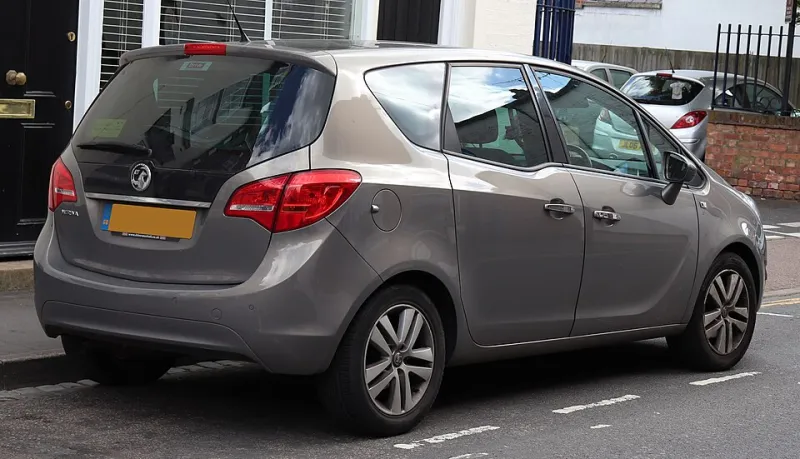
The Zafira B has never been a car that inspires romantic motoring writing. It is a tall, honest, slightly van-shaped family bus that has spent most of its life being loaded, unloaded and asked to do one more school run. But that is exactly why it still matters. A seven-seat Zafira B remains a lot of metal for the money, and with the right checks it can still swallow a full family and their festive luggage without drama.
The catch is that these cars are no longer young. The newest examples left the line back in 2014, and most have already survived several owners, a few MOT advisories and a lot of kerbs. A pre-Christmas road trip is not the moment to discover that the rear axle is knocking or the heater blower only works on setting four. Here is the Thompson GM-style shakedown we would carry out before pointing one at a motorway in December.
Start with the load, not the engine
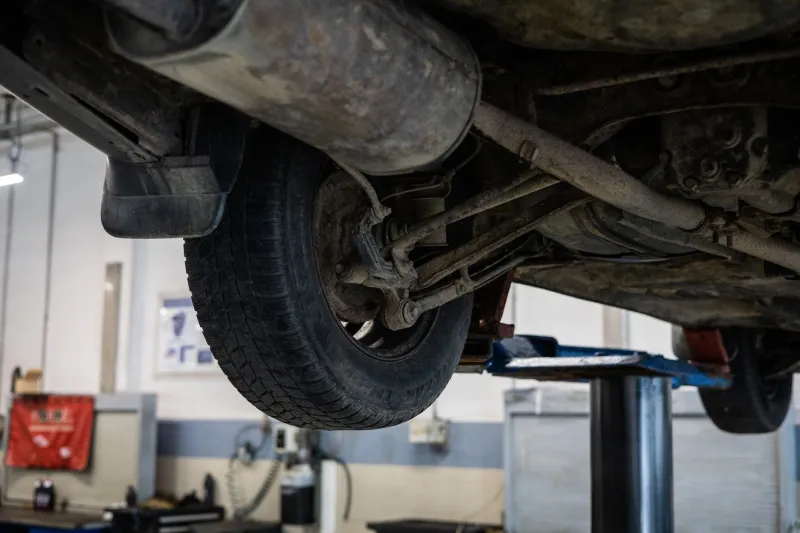
Seven seats means seven people, and Christmas means presents, bags, a pushchair and probably a folded-up dog crate. That is a lot of mass sitting over tired suspension. Before you worry about the engine oil, get the car in the air or at least roll underneath with a torch.
On a Zafira B, the rear axle bushes are a known weak point with age. Look for cracked rubber, perished shoulders and rusty staining where the bush has been moving around. A clunk over speed bumps, vague rear steering on uneven tarmac or uneven rear tyre wear are all clues. The rear dampers also have a hard life on a seven-seat MPV. Misting around the damper body is acceptable; drips and a bouncy, floaty rear end are not. Check the springs for broken coils and the bump stops for crumbling foam.
This is not a job to ignore because it feels expensive. A set of rear axle bushes is usually modest money in parts, but the labour can sting because the old bushes often need pressing out. Budget accordingly and sort it before the car is fully loaded.
Coolant, heater and the fogging problem
A Zafira B with a misty windscreen and a blower that only works on full speed is a classic winter companion. The blower resistor is a common culprit and usually a sensible-priced part. The pollen filter is often forgotten, which does the blower no favours and makes the cabin smell like an old shed. Change it while you are in there.
Coolant hoses deserve a proper look, especially on older 1.6 and 1.8 petrol cars and the diesel variants. Check the hoses around the thermostat housing, the ones running behind the engine, and any rear heater pipework if the car has it. Look for soft spots, chafing, white crust around clamps and a sweet smell after a run. A pressure test is far cheaper than a roadside overheating incident. Also check the expansion tank cap and the tank itself for hairline cracks.
Do not forget the simple stuff. Screenwash should be neat enough for a proper frost, not a weak blue memory. Wipers should clear the screen without smearing. If the heater takes forever to warm up, a tired thermostat may be part of the story.
Brakes and tyres: the part-worn temptation
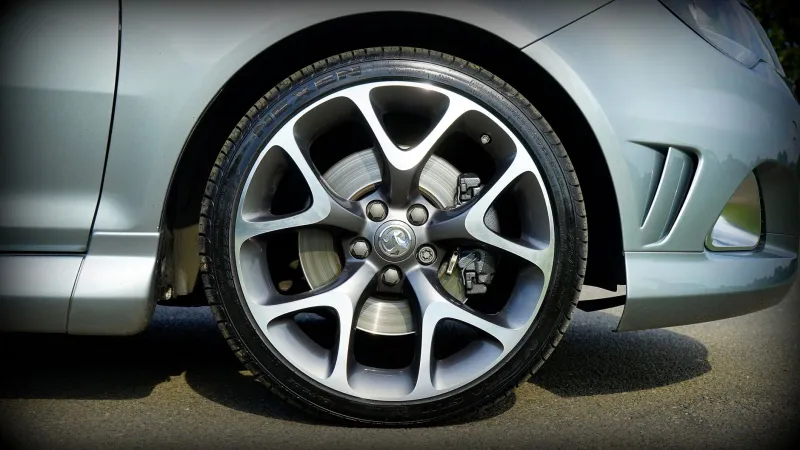
Christmas budgets are tight, and part-worn tyres are always tempting when a Zafira B needs four. Resist the urge unless you know exactly what you are buying. A seven-seat MPV fully loaded on a cold, wet motorway asks a lot of its tyres. Check tread depth across the whole tyre, not just the centre. Look for sidewall cuts, bulges and cracking between the tread blocks. Check the load rating and set the pressures for a full load, not the solo-driver setting.
Brake balance matters just as much. On older Zafiras, rear calipers can seize or handbrake mechanisms can become lazy. If the car has rear drums, check that they are adjusted and not weeping. If it has discs, look for scored surfaces and sticking sliders. Brake fluid that has been in there for years is not a festive upgrade either; fresh fluid is cheap insurance. Check the flexi hoses for cracking and the hard lines for corrosion, especially around the rear axle.
The pre-trip spanner session
Once the big safety items are checked, run through the basics. Battery terminals clean and tight, lights working, bulbs spare, jack and wheel brace present, locking wheel nut key accounted for. Check the spare tyre or inflation kit, depending on what the car has. Make sure the child seats are correctly fitted and that the middle-row seats latch properly when you fold them. A seven-seat Zafira B is brilliant at carrying people, but only if the seats are secure and the belts are not trapped.
Take it for a proper drive, not just around the block. Include a stretch of dual carriageway, a few bumps and a braking stop from speed. You want to feel for wheel wobble, hear any new noises and confirm the temperature gauge behaves. If something feels off, deal with it now rather than on the hard shoulder near a services with a car full of relatives.
A realistic 2026 budget
If you are handy with spanners, a sensible DIY refresh can be done for a few hundred pounds: pollen filter, blower resistor, coolant hoses, brake fluid, screenwash and a careful inspection. Rear axle bushes and dampers push the parts bill higher, and the labour can easily double it if you use a garage. A realistic range for sorting the weak points on a tired but roadworthy Zafira B is somewhere between £300 and £900 depending on tyres, brakes and how much suspension work is needed. That is still cheaper than a new seven-seat car, and it keeps a genuinely useful machine on the road.
Use the MOT history as a guide, not a guarantee. Advisories from previous years often tell you exactly where the next bill is hiding. The Zafira B is not precious, but it is dependable when maintained with a bit of common sense. Get the load-bearing parts, cooling system, brakes and tyres right, and it will still do the Christmas run without asking for much more than fuel and a decent playlist.