The Van That Refuses to Retire: Running an Astravan on 2026 Money
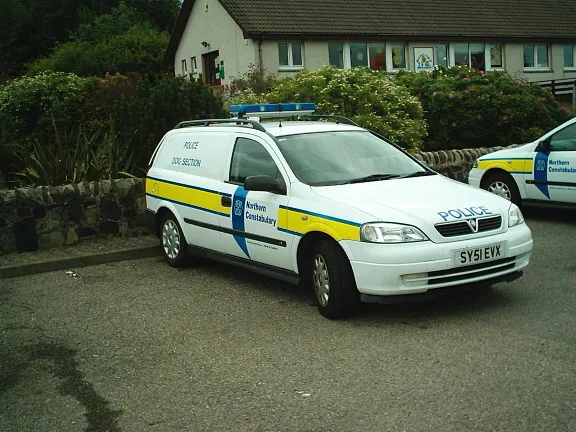
Photo: dave conner from Inverness, Scotland, CC BY 2.0, via Wikimedia Commons
Vauxhall stopped building the Astravan in 2013, which means every working example you see in 2026 is a survivor. That is not a reason to avoid one. It is a reason to buy carefully and service it like the commercial vehicle it was designed to be. A tidy Astra H-era Astravan still does the job: it carries tools, returns sensible fuel numbers and costs buttons compared with a new van on finance.
The catch is that time has not been kind to the cheap ones. Rust, tired suspension and neglected diesel servicing are what kill these vans, not some fundamental design flaw. Get those three areas right and an Astravan can remain a genuinely cheap workhorse.
Why the Astravan still earns its keep in 2026
New van prices are painful. Even a modest used compact van can easily run to five figures, and that is before insurance, finance and the first round of repairs. A £1,500 to £3,000 Astravan is a different proposition. It is not a lifestyle vehicle or a status symbol. It is a toolbox on wheels, and that is exactly why people keep buying them.
The sweet spot is a later 1.7 CDTi with a long MOT, a sensible mileage history and no structural welding. Avoid anything with a freshly undersealed chassis unless you can inspect it properly. Fresh underseal hides a lot, and not all of it is good.
The 1.7 CDTi needs diesel discipline
The 1.7 CDTi is a sturdy enough lump, but it does not tolerate the sort of servicing that comes from treating a van like a car. Oil and filter every 6,000 to 8,000 miles, or annually if you are doing short runs, is cheap insurance. Use the correct spec oil for the engine, not whatever is on offer at the motor factor.
Air and fuel filters matter too. A clogged fuel filter can cause poor starting and limp modes that owners misdiagnose as injector failure. Glow plugs should be checked before winter, and any cold-start rattle deserves attention rather than a louder radio. Later vans with a DPF need proper runs; short-hop delivery work and town driving will clog them. If your Astravan only does short trips, budget for a periodic motorway blast or accept that the DPF will become a consumable.
Check for oil leaks around the sump, rocker cover and turbo pipework. None are unusual, but a leaking van is a van that will leave marks on customers' driveways. Fix the small stuff before it becomes an MOT advisory.
Rust is the real service schedule
Astravans rust in predictable places. Rear wheel arches are the classic, especially where mud sits behind the liner. Sills, the rear valance, the load floor and the front subframe all need a proper look. Lift the ply lining and the mats. If the load floor is soft underfoot, walk away. Welding a commercial vehicle floor properly is not a cheap afternoon job.
Brake lines and fuel lines corrode quietly. So do the mounting points around the rear suspension. A friendly MOT tester will let you look underneath while the van is on the ramp, and that ten minutes is worth more than any online buying guide.
Do not ignore the rear doors and side loading door. Sagging hinges, broken check straps and rotten door bottoms are common. They are fixable, but they add up. A van that lets water into the load area will eventually rot the floor from the inside out.
Suspension and steering: consumables, not crises
Astravans carry weight, so suspension parts wear faster than they would on an Astra hatch. Front lower arms, ball joints, drop links, top mounts and rear bushes are all fair game. None are expensive individually, but a van that needs the full set will feel tired and vague on the road.
Listen for clunks over speed humps and feel for steering play. Worn steering rack gaiters should be replaced before grit gets in. Shock absorbers that have given up will make the van wallow when loaded, which is not ideal on a wet A-road. Budget for a refresh and the van will feel far newer than its age suggests.
MOT points that actually matter
Corrosion near suspension mounts and seatbelt anchorages is a fail, not an advisory. Brake pipes, headlamp aim, emissions and insecure loads are all standard Astravan MOT territory. Check the rear seatbelt mounts if it is a crew van or has been converted. Check the load area for insecure batteries, tools or gas bottles. Testers see plenty of work vans and they know where to look.
Emissions problems usually come back to a tired air filter, a leaking boost hose or a neglected EGR valve. Do not simply clear the fault code and hope. A van that smokes under load will not magically fix itself.
Part numbers when the dealer shrugs
The main dealer parts counter may still help, but older Vauxhall commercial bits are not always on the shelf. Learn to cross-reference. Many service items and suspension parts are shared with Astra H models, so a good motor factor can often match a GM part number to a known brand. Brake discs, pads, filters and bearings are usually straightforward. Body panels and trim are the harder items, which is where a breaker yard earns its keep.
Take a photo of the VIN plate and the existing part number before you order anything. Do not trust a single eBay listing that says it fits every Astravan ever built. Cross-reference the GM number, check the dimensions and ring the factor if you are unsure. That habit alone will save you returns postage and wasted Saturdays.
The verdict
An Astravan in 2026 is not a fashion statement. It is a cheap, useful van that rewards inspection and basic mechanical sympathy. Buy on structure, service the diesel properly and keep on top of the suspension. Do that and it will keep earning long after a newer van would have cost you another year of payments.