Dexos Without the Dealer Markup: A 2026 Vauxhall Oil-Buying Guide
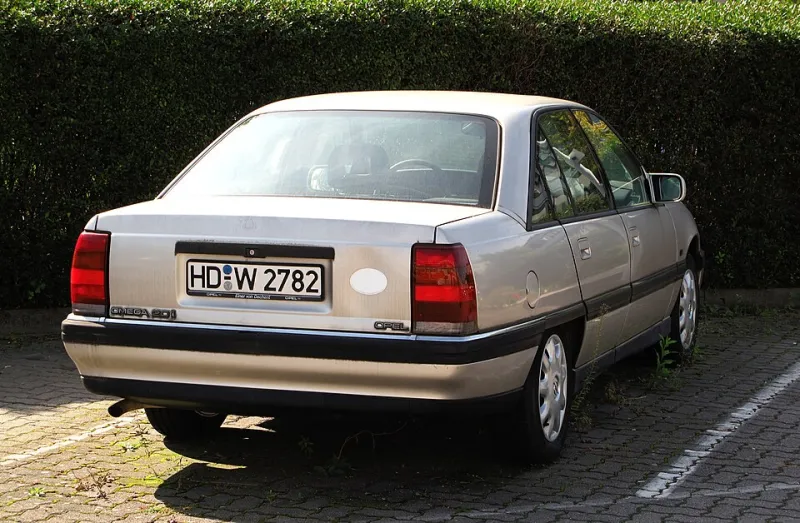
Photo: Ras, CC BY-SA 3.0, via Wikimedia Commons
Oil threads on Vauxhall forums tend to go one of two ways: somebody insists any 5W-30 will do, somebody else posts a photo of a sludged camshaft, and the thread ends with three different part numbers and a row about supermarkets. The truth is less dramatic but more useful. GM's dexos specifications exist because modern Vauxhall engines are fussy about more than viscosity, and the wrong bottle can cost you far more than the few quid you saved at the till.
This is not a lecture about using only the most expensive oil on the shelf. It is a practical guide to what dexos actually means, which Vauxhall engines usually need which approval, and where to buy the right stuff in the UK without handing a main dealer £90 for a five-litre bottle and a receipt.
Dexos is an approval, not a brand
The first thing to get straight is that dexos is a GM licence standard. Oil companies pay to have their products tested and approved, and the bottle carries a dexos logo and a licence number. That is different from an oil that merely says it is "suitable for" or "meets the requirements of" dexos. In practice, a genuinely approved oil gives you a known baseline for deposit control, wear protection, turbo cleanliness and compatibility with emissions kit.
For older Vauxhalls, the older GM-LL approvals still matter. GM-LL-A-025 was the petrol-side long-life spec, and GM-LL-B-025 was the diesel equivalent. Plenty of 2000s Vauxhalls were filled with those oils from new, and some handbooks still quote them. They are not the same as dexos2, even if a motor factor's computer tries to tell you otherwise.
The three families you will actually meet
Most UK Vauxhall owners will be choosing between three broad groups:
- dexos1 Gen 2 or Gen 3 – the petrol-focused approval, common on turbocharged petrol engines. Gen 3 is the newer petrol-side standard and is generally the sensible backwards-compatible choice where Gen 2 was originally called for, but the handbook still has the final say.
- dexos2 – the European low-SAPS approval, usually carrying ACEA C3. It is the common pick for diesels with particulate filters and for plenty of later petrol engines where the manufacturer specifies it.
- Legacy GM-LL-A-025 / GM-LL-B-025 – the older long-life approvals. Still relevant to cars from the mid-2000s, but increasingly superseded by dexos2 in service literature.
A bottle can carry more than one approval, and that is fine. What you do not want is a bottle that carries none of the correct ones and relies on a vague "for Vauxhall" line on the label.
Matching oil to the engine, not the badge
1.4 Turbo petrol
Engines like the A14NET and B14NET in the Astra J, Mokka and Meriva are turbocharged, direct-injection petrol units. They are not exotic, but they do not respond well to cheap, thick oil or missed changes. In most UK service schedules you are looking at a dexos1 Gen 2 or Gen 3 oil in 5W-30, though some applications and later handbooks may differ. The important bit is the dexos1 approval, not the word "fully synthetic" on the front of the bottle.
These engines also suffer from short-hop use. If your 1.4 Turbo spends its life doing three miles to the shops and back, the oil is doing more cold-start work than the mileage suggests. Change it on time or earlier, and do not stretch the interval because the car "only does low miles". Low miles can be harder on oil than a motorway commute.
1.6 CDTi diesel
The 1.6 CDTi is the one that makes dexos2 worth understanding. It is a common engine in the Astra K, Mokka X and Zafira Tourer, and it usually wants a dexos2 oil, typically 5W-30 and usually ACEA C3. The low-SAPS formulation is there to protect the diesel particulate filter and keep the emissions system happy. Putting a cheap A3/B4 petrol-style oil in it may not kill the engine tomorrow, but it is not the right choice for a DPF-equipped diesel.
If the car does a lot of short runs, the DPF and the oil are both under pressure. Dexos2 is not a magic bullet, but using the correct low-SAPS oil is part of keeping the whole package together.
Older 1.8 petrol
The Z18XER and its relatives are old-school compared with the turbo engines, but they still have their preferences. Early cars may quote GM-LL-A-025, while later service information often moves to dexos2. A good quality 5W-30 or 5W-40 with the correct approval is the usual answer. These engines are more forgiving than a modern direct-injection turbo, but they are also prone to oil leaks and neglected breather systems. The right oil helps; fixing the leak matters more.
Viscosity and ACEA: read the back of the bottle
Viscosity is only one part of the story. A 5W-30 from one brand can be a very different oil from a 5W-30 from another, because the approval and ACEA sequence tell you more about its chemistry and performance. ACEA C3 is a low-SAPS diesel-friendly standard. ACEA A3/B4 is an older, higher-SAPS petrol and diesel standard. Neither is "better" in isolation; they are different tools.
For a dexos2 car, you want the dexos2 approval and the ACEA C3 claim to line up. For a dexos1 petrol car, the dexos1 licence is the key. Do not assume that a C3 oil is automatically right for a petrol Vauxhall, or that an A3/B4 oil is automatically wrong. Check the handbook, check the approval, and ignore the marketing words on the front.
Where to buy without the main-dealer markup
In the UK, the sensible options are usually a reputable motor factor, a specialist oil retailer, or a known online supplier with a proper returns policy. Euro Car Parts, GSF and local factors can be fine if you check the exact approval on the product page rather than trusting the registration lookup alone. Opie Oils and similar specialists are useful when you want to compare approvals and buy a specific five-litre pack.
Main dealers will sell you the correct oil, but you are paying for the badge and the convenience. For a daily Vauxhall, there is no shame in buying the same approved grade elsewhere. What you should avoid is marketplace sellers with no traceable licence number, especially for branded oil at suspiciously low prices. Fake or misdescribed oil is a real risk, and an engine repair bill is not.
A sensible target for a five-litre bottle of a properly approved dexos1 or dexos2 oil is often £35 to £55 in 2026, depending on brand and spec. If you are paying much less, check the approval carefully. If you are paying much more, check whether you are buying convenience rather than chemistry.
The cheap-oil false economy
The 1.4 Turbo and 1.6 CDTi are the engines where this matters most. A turbo petrol with the wrong oil can suffer from deposits and timing chain wear. A diesel with the wrong oil can clog its DPF and EGR system faster. Neither failure is caused by one oil change alone, but repeated use of the wrong spec is a slow way to shorten the car's life.
A correct oil and filter change on a Vauxhall is still one of the cheapest maintenance jobs you can do. The expensive part is ignoring the spec. Buy the right approval, change it at the right interval, and keep the receipt. That is the whole game.