When the Power Goes Out: Re-teaching a Vauxhall Its Windows, Radio and Steering
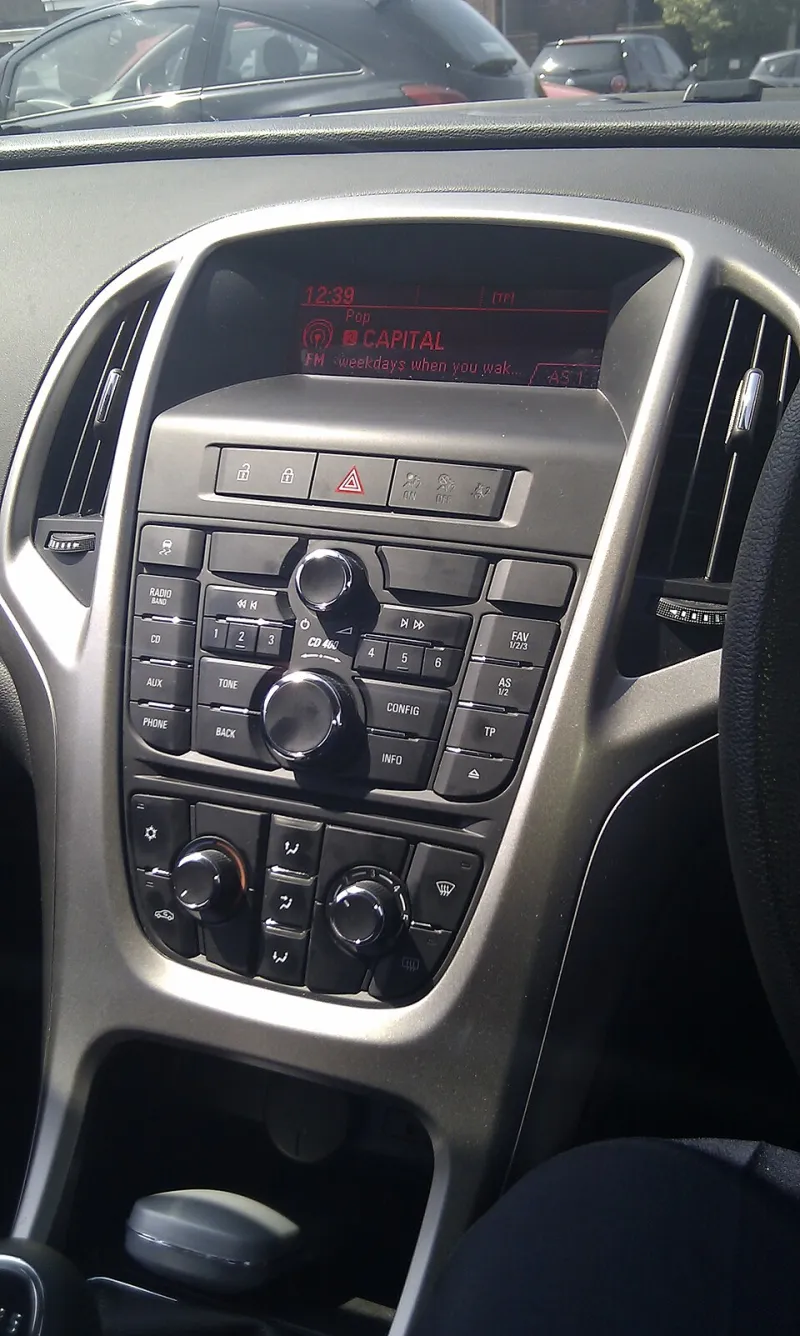
Photo: Alan_D from Crawley, United Kingdom, CC BY 2.0, via Wikimedia Commons
There is a particular kind of November morning that every ageing Vauxhall owner recognises. The starter turns slowly, the dash dims, and then comes the click. You do the sensible thing, buy a new battery from the local motor factor or Halfords, fit it on the drive, and the car fires up instantly. Then the driver's window refuses to do its one-touch trick, the radio is asking for a code, and a yellow steering warning light is staring back at you. Nothing has broken. The car has simply forgotten.
As the cold settles in for 2026, battery swaps are happening up and down the country on Astra H and J models, Corsa Ds, Insignias and the odd Meriva. The good news is that most of the aftermath is owner-fixable with a sequence of switches and a short drive. The better news is that you can avoid half of it next time.
Why Pulling the Leads Wipes More Than the Clock
A modern Vauxhall is not just a set of mechanical switches. The body control module, the radio, the electric power steering ECU and the engine management all hold learned values in volatile memory. Window motors learn where fully closed and fully open actually are. The steering angle sensor learns straight ahead. The radio learns that it belongs to this car. Pull the earth lead and those little memories vanish.
It is not a fault and it is not a sign that the car is about to fall apart. It is the automotive equivalent of unplugging a desktop computer without shutting it down. The files are still there, but the settings need putting back.
Window Regulators: The Hold-and-Hold Ritual
This is the most common complaint after a battery change. The window still goes up and down, but the automatic one-touch function has packed up. The motor has lost its end stops.
On most Vauxhalls the fix is the same. Switch the ignition on, but leave the engine off unless the car is particularly stubborn. Close the window fully, then keep holding the switch in the up position for a full five seconds after it has stopped moving. Then open it fully and hold the switch down for another five seconds. Repeat for each window, one at a time. On an Astra H or J, a Corsa D or E, a Meriva B or a Zafira B, this usually brings the function straight back. If it does not, try again with the engine running and the door closed. Some cars want to see a stable voltage before they will learn.
If you have a sunroof, treat it to the same treatment: hold the close button for five seconds once it has shut. It is a five-minute job that saves a main dealer visit.
The Radio Code: Where That Car Pass Went
Older Vauxhall radios, the CD30 and CD40 units and various Grundig-fitted systems, will ask for a four-digit code after a power loss. That code lives on the Car Pass card that came with the car, which is now probably in a folder in a drawer you have not opened since 2014.
If you have the V5C and proof of ownership, a Vauxhall dealer can usually retrieve the code from the VIN. Some charge a small admin fee, typically twenty or thirty pounds, and some will do it as a goodwill gesture if you are buying parts. Independent radio specialists can also decode older units from the serial number. Newer radios from around 2012 onwards are paired to the car and often survive a battery swap untouched, but if they do lock, only a dealer or a diagnostic setup with the right security access can sort it.
A sensible habit before disconnecting anything is to photograph the radio screen and the serial number. It takes ten seconds and can save a lot of head scratching.
Steering Angle: The Light That Usually Fixes Itself
A yellow steering or ESP light after a battery swap is common on Astra J and Insignia models. The steering angle sensor has lost its zero point. In most cases you can teach it back yourself.
Start the engine, turn the wheel all the way to the left until it stops, then all the way to the right, then return it to centre. Drive the car a short distance at low speed, ideally a few hundred yards around the block. The light should go out on its own. On a Corsa D with electric power steering, it sometimes needs a slightly longer drive before it is happy.
If the light stays on and the steering feels heavy or uneven, stop. That is either a genuine sensor fault or a calibration that needs a diagnostic tool. Do not ignore it.
Other Things That Forget: Idle, Fuel Trims and Key Fobs
Petrol engines can idle high or hunt for the first few miles after a battery disconnect. Let the car idle for about five minutes with the lights, heater and rear demist switched off, then drive normally. The ECU will relearn its trims. The clock and trip meter will need setting by hand, which is at least straightforward.
If the central locking stops responding, put the key in the ignition, turn it to the on position, and press the lock and unlock buttons on the fob for around ten seconds. That resynchronises most Vauxhall key fobs.
The Battery Monitoring System and Start-Stop
Cars like the Astra K, Insignia B and later Corsas use an intelligent battery sensor on the negative terminal. Fit a new battery and the start-stop system may refuse to work, and the charging strategy can be slightly off. Some cars self-learn after a few decent-length drives. Many need a Battery Monitoring System reset through a diagnostic tool.
This is the one job where a cheap generic code reader often will not cut it. You need something with GM-specific routines, which means a dealer, an independent with Tech 2 or MDI, or a capable multi-brand tool. Budget around forty to sixty pounds at a good independent, more at a main dealer.
When to Stop Fiddling and Plug In
Genuine diagnostic territory includes the BMS reset on start-stop cars, radio pairing on newer units, persistent steering angle codes, ABS or ESP faults, immobiliser problems and some throttle body relearns. If a window still will not learn after three attempts, the regulator or switch may have failed coincidentally. That happens, and it is not the battery's fault.
Avoiding the Amnesia Next Time
A memory saver that plugs into the OBD port or cigarette lighter can keep the car alive during a swap, but cheap ones can be risky and some cars dislike them. The safer routine is simple: note the radio code, switch the ignition off and wait a few minutes before disconnecting, take off the negative terminal first and reconnect it last. Never disconnect a battery while the engine is running.
Keep the Car Pass with the V5C, and check the charging system if a battery dies young. An alternator on its way out or a tired earth strap will kill a new battery just as quickly as the old one. A ten-minute reset routine and a short drive is all most Vauxhalls need to feel themselves again.