The Cold-Start Cough: Making Sense of Corsa D 1.2 and 1.4 Timing Chain Noise
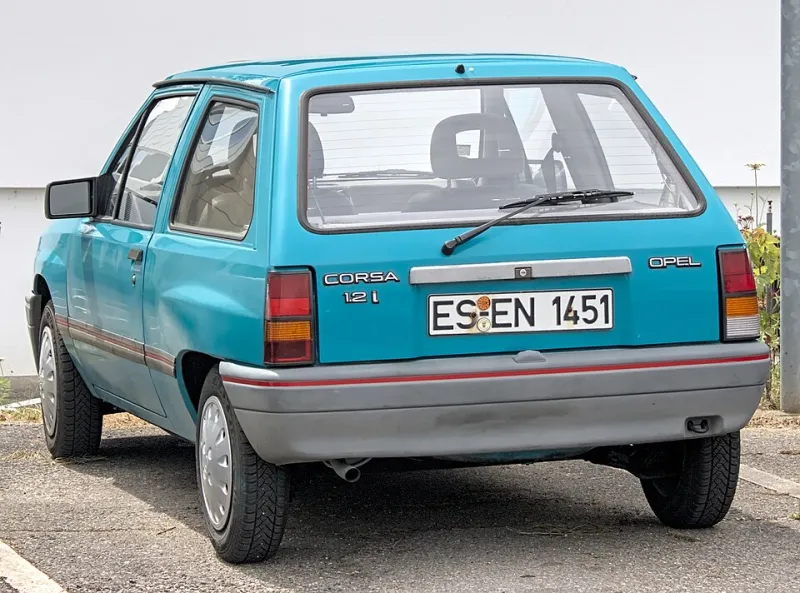
Photo: Alexander-93, CC BY-SA 4.0, via Wikimedia Commons
There is a particular sound that makes Corsa D owners go quiet at the breakfast table. You turn the key, the little 1.2 or 1.4 clears its throat, and for a second or two there is a metallic chatter from the front of the engine. Then it fades. Some owners ignore it until the MOT tester raises an eyebrow. Others hear it once and start pricing up a replacement car. The truth, as usual with ageing Vauxhalls, sits somewhere in the middle.
The noise that starts the argument
The Corsa D was never a delicate piece of engineering, and that is part of its charm. It ran from 2006 to 2014 in huge numbers, and plenty are still doing daily duty on British roads. The 1.2 and 1.4 petrol engines use a timing chain rather than a belt, which sounds like a maintenance win until the miles pile on. Chains stretch, tensioners wear, and guide rails can lose their edge. The result is a cold-start rattle that can mean anything from a mildly tired tensioner to a chain that is close to jumping a tooth.
At Thompson GM, we hear the same story regularly: the car has done 90,000 miles, the service history is patchy, and the owner wants to know whether the noise is terminal. The honest answer is that you cannot diagnose it from a video clip recorded on a windy driveway. You need context, oil condition and a proper listen.
Cold-start clues: tick, rattle or death knell
A brief tick on a cold start that disappears within two or three seconds is often the tensioner taking a moment to pressurise. It is not ideal, but it is common on older Corsa Ds, especially if the oil is old or the level is low. A rattle that lasts longer, changes with revs, or comes back at hot idle is more concerning. So is a noise that appears after an oil change when the filter has drained back.
Listen carefully to when it happens. If the chain clatters mainly on the first start of the day and then settles, you may be looking at a tensioner or oil-drain issue. If it rattles hot, at idle, or under light throttle, a stretched chain and worn guides move up the suspect list. A metallic slapping noise that seems to come from the timing cover is never a good sign. Neither is a car that cranks for longer than it should or throws a camshaft correlation fault code.
Tensioner versus stretched chain
The tensioner is the easy villain to blame, but it does not live in isolation. On these engines, the chain, tensioner and guides wear as a set. Fitting a new tensioner to a stretched chain is like putting a fresh shoelace in a tired boot. It might feel better for a week, but the fundamental slack is still there.
A stretched chain often shows up as a rattle that is worse from cold and gradually becomes more persistent. The engine may feel slightly flat, or the ECU may log a code for camshaft and crankshaft correlation. On a high-mileage Corsa D, a garage should not simply listen and guess. They should check the oil condition, the oil filter, the service history and the fault memory before removing anything. If the oil is sludgy or the filter is collapsed, the tensioner may be starved of pressure. That is a clue, not a cure.
What a garage should actually check
A proper inspection starts with a cold start and a hot idle check. The technician should listen with a stethoscope or a long screwdriver handle against the timing cover, not just stand over the bonnet and nod. They should check oil pressure if possible, inspect the oil filter housing for debris, and look for metallic glitter in the oil. On these engines, removing the rocker cover and timing cover is the only way to see the guides, tensioner and chain properly.
Ask them to check the timing marks and measure chain slack where possible. A good independent will also scan for pending camshaft correlation codes and check whether the chain has jumped. If there is any doubt, the safe assumption is that the chain set is worn. A compression test or cylinder leak-down test can reveal valve damage if the chain has already slipped, but that is a different, more expensive conversation.
Do not let anyone sell you a chain job without new guides, a new tensioner and fresh oil and filter. Reusing old guides on a new chain is false economy. On a Corsa D 1.2 or 1.4, the job is tight but not impossible with the engine in the car. Book time at an independent is typically four to six hours, depending on how corroded the front cover bolts are and whether the sump needs to come off.
The 2026 money question
In 2026, a decent aftermarket timing chain kit for a Corsa D 1.2 or 1.4 usually lands somewhere between £120 and £300, depending on brand and whether you go for a full kit with guides, tensioner and seals. Genuine Vauxhall parts cost more, and some owners will argue that the badge is worth it on a keeper. Labour at a good independent is likely to be £55 to £85 per hour, so the total often falls between £450 and £900. A main dealer will push that towards £900 to £1,300 or more.
If the chain has jumped and valves have met pistons, the bill climbs quickly. Head work, valves, gaskets and machining can easily turn a £700 chain job into a £1,500-plus engine repair. That is the point where a tidy Corsa D with a £2,000 book value starts to look less like a keeper and more like a parts donor.
Repair or scrap?
This is where you need to be cold-eyed. A Corsa D that is solid underneath, has a long MOT and is otherwise reliable can justify a £700 chain repair. A car with rotten sills, a tired clutch, bald tyres and a warning light collection is harder to love. If the body is rough and the repair bill is more than half the car's value, scrapping or selling for spares may be the sensible move. If the car is a cherished runabout with good history, fixing it properly is usually cheaper than replacing it with an unknown £2,500 hatchback.
Whatever you do, do not let the rattle run for months. A worn chain can become a skipped chain, and a skipped chain can become a bent valve. The cheapest repair is the one you do before the engine makes the decision for you.