The Six-Speed That Sings: Diagnosing an M32 Bearing Whine and Pricing the Fix in 2026
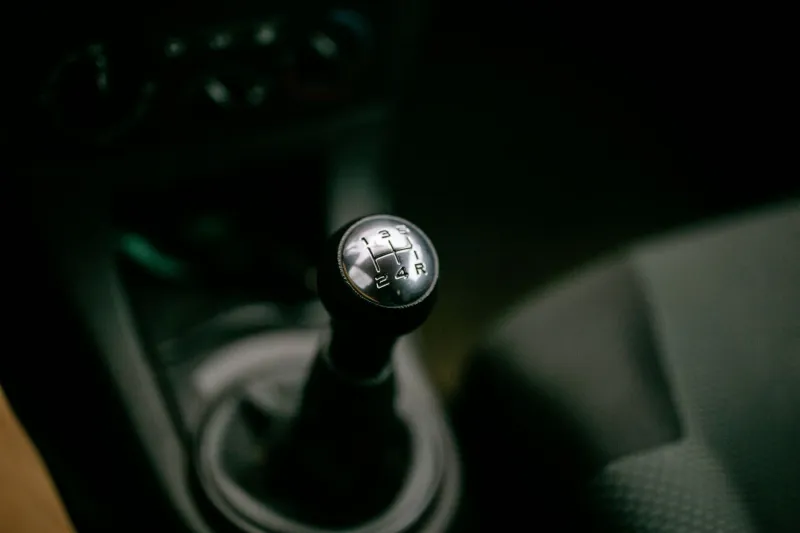
There's a particular noise that turns up on Astra J and Insignia forums roughly every autumn, usually posted as a phone recording of a motorway cruise with a faint, rising whine underneath the road noise. It's almost always the M32, and it's almost always bearings. The good news is that the M32 is cheap and simple to rebuild compared with most modern six-speeds. The bad news is that owners usually hear it about six months later than they should.
A perfectly reasonable gearbox with one known flaw
Let's be fair to it. The M32 is a light, compact six-speed manual that GM fitted to a huge spread of cars from the mid-2000s onwards: Astra H and J, Zafira B and Tourer, Meriva, Mokka, the 1.8 Insignia, plus the Chevrolet Cruze and Orlando. It's pleasant to use and it doesn't ask much of you. Note that the bigger 2.0 diesels generally got the F40 instead, which is a much tougher unit and a different conversation entirely.
The weaknesses are specific rather than general. The input shaft bearing arrangement and the differential/end-cover bearings are the usual suspects, and both were made worse by two factors. First, the original oil fill was on the stingy side for the loads the bearings see. Second, and more damagingly, the box was sold as sealed for life. Nothing with bearings in it is sealed for life.
What owners actually hear, in order
Symptoms rarely arrive all at once, and the sequence tells you a lot:
- A whine in fifth and sixth that rises and falls with road speed rather than engine revs. This is the classic early warning and the one people dismiss as tyre noise.
- A rumble at idle with the clutch out which disappears the moment you press the pedal. That points squarely at the input shaft bearing.
- Noise on the overrun — lifting off at 40-50mph produces a drone that vanishes under load.
- A faint whine pulling away in first and second, often worse when the oil is cold.
- Gritty, notchy selection and eventually a metallic rattle that no longer cares what gear you're in. By this stage the bearing cage is breaking up and the casing is at risk.
If you're hearing the last one, stop driving it. A bearing kit is cheap. A casing is not.
Confirming it without spending much
The cheapest diagnostic is a drain and a look. Catch the oil in a clean white tray and inspect it in daylight. A fine gold or bronze sheen is bearing material; a magnetic plug (if yours has one) will tell you the rest. If the oil that comes out is black and smells burnt, the box has been hot and the damage is likely further along.
For the road test, get onto a quiet dual carriageway and hold a steady 50-60mph in sixth, then repeat in neutral while coasting. Wheel bearings change note when you load them in a corner — gearbox whine doesn't. Tyre cupping can mimic the noise too, so run a hand across the tread before you commit to anything expensive. A worn inner CV joint will also rumble, though usually more on lock.
Oil, quantity and the habits that shorten life
The fill quantity matters as much as the specification here, and Vauxhall revised both over the life of the box. Don't guess and don't trust a forum post from 2009 — give a specialist your VIN and use the figure that applies. As a rule of thumb, treat the fluid as a 40,000-mile service item rather than a lifetime one, and use exactly the specification recommended for your box rather than whatever's on the shelf. Some GL-5 oils are unkind to the yellow metals inside these transmissions, so don't treat them as interchangeable.
Driving habits do real damage too. Lugging a 1.4 turbo in sixth at 35mph puts load through the bearings with almost no oil thrown around, and a remap that piles on low-down torque makes that worse. Towing in top gear, a chronically under-inflated set of tyres and a clutch that's been slipping for a year all add up.
What a rebuild genuinely costs in 2026
Prices vary with region and how much damage has been done, but here's the realistic landscape:
| Route | Typical 2026 cost | What you get |
|---|---|---|
| Bearing and seal kit, DIY | £150-£300 in parts | Only sensible if you have a press and patience |
| Specialist bench rebuild | £700-£1,400 | New bearings, seals, inspection, usually a warranty |
| Exchange reconditioned unit | £900-£1,500 | Fastest turnaround, warranty, old unit returned |
| Used box from a breaker | £200-£500 | Unknown history, often the same fault brewing |
| Casing replacement | £350-£500 extra | Only if the bearing has spun or scored the housing |
Add a clutch kit at £120-£250 if it's original, because the labour overlaps almost entirely and you'd be mad not to. Budget another £150-£300 for fitting if you're not doing the removal yourself — the subframe usually has to come down on an Astra J.
Used, reconditioned or rebuilt?
A used M32 from a breaker is the cheapest way out and the least sensible. These boxes are being broken precisely because the cars are being scrapped, and a 90,000-mile unit is likely to be halfway to the same failure. If you go this route, at minimum drain and inspect the oil before fitting.
A specialist rebuild is the sweet spot for most owners. A handful of UK gearbox firms rebuild M32s weekly and know the updated bearing part numbers and the revised fill quantity — worth the extra over a generic transmission shop that hasn't seen one before. An exchange unit is the option to take if you need the car back on the road this week.
When to walk away
If the whine has become a rattle, the oil is full of metal, and the car is a 130,000-mile Astra J worth £1,800, the arithmetic gets ugly. A £1,200 rebuild on a car that also needs a clutch, a set of tyres and an MOT welding ticket is rarely the right call. That doesn't make the car worthless — a good shell with a known-bad box sells fine to someone with a spare transmission and a Saturday. But be honest about the total bill, not just the gearbox line on it.